.png)
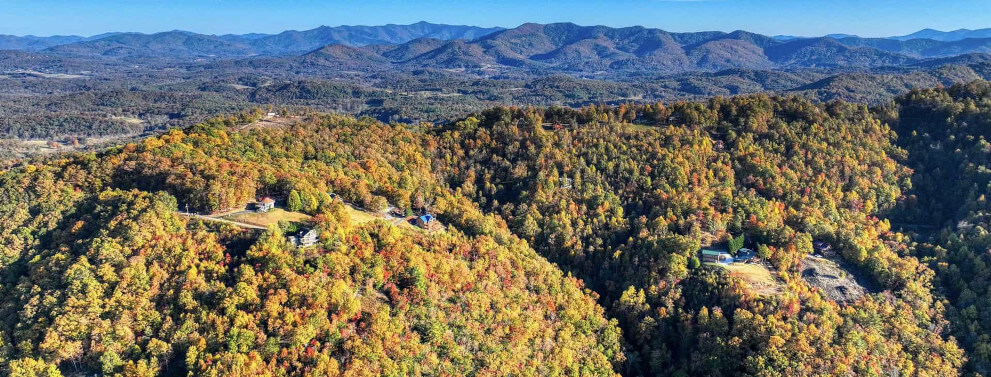
Buying a short-term rental in the Georgia mountains can be a powerful investment — when it’s done correctly.
Cabins with views, porches overlooking the trees, and strong rental demand make North Georgia incredibly attractive to investors. But successful short-term rental ownership isn’t just about nightly rates or great photos on Airbnb.
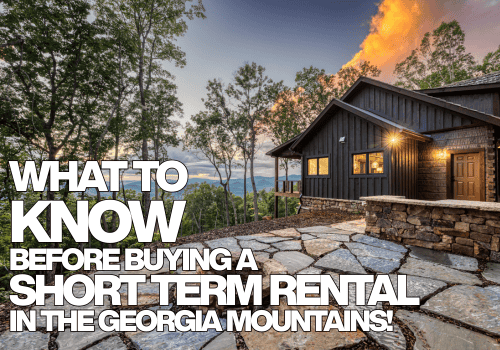 It’s about rules, structure, taxes, and location — and understanding all of that before you buy.
This guide walks through what every buyer should know before purchasing a short-term rental in the Georgia mountains, so you can protect your investment, your time, and your peace of mind.
Short-Term Rentals Are Different — and That Matters
Not all rental properties are treated the same.
Short-term rentals — typically properties rented for fewer than 30 days at a time — are often treated differently than long-term rentals or second homes, especially from an operational and planning standpoint.
Because of that, short-term rentals are often approached more like a business than a traditional rental. That distinction affects:
-
How expenses are tracked
-
How income is viewed
-
How the property is managed
-
How the investment is structured long-term
This is where many buyers hear buzzwords online — but miss how important structure and intention really are.
National Tax Considerations for Short-Term Rental Owners (High Level)
This section is for general education only. Buyers should always confirm details with a qualified CPA.
Depreciation
One of the most commonly discussed aspects of short-term rentals is depreciation.
In simple terms, depreciation allows owners to deduct a portion of a property’s value over time — even while the property itself may be appreciating in market value. When used correctly, depreciation can be a powerful planning tool.
Bonus Depreciation and Cost Segregation
Some investors may also hear about bonus depreciation or cost segregation. In certain situations, these strategies can accelerate depreciation in the early years of ownership.
However:
-
They are not right for every investor
-
They must be structured correctly
-
They always require professional guidance
The opportunity is real — but so is the responsibility to do it right.
Personal Use Can Change Everything
One of the most overlooked factors in short-term rental investing is personal use.
How often you personally use the property can quietly shift it from an investment into something closer to a second home — and that change can dramatically affect how the property is treated from a planning standpoint.
Management Decisions Matter
Whether you self-manage or hire professional management affects:
-
Documentation and record-keeping
-
Expense tracking
-
Compliance
-
Long-term sustainability
None of these choices are inherently good or bad — they simply need to align with your goals.
The Local Reality: Why Georgia Mountain Rules Matter
This is where many short-term rental buyers get caught off guard.
Federal tax rules may allow certain strategies — but local governments, cities, and homeowners associations ultimately control whether a property can legally operate as a short-term rental at all.
In the Georgia mountains, that local layer matters more than most people realize.
County and City Rules Vary Widely
A property that works perfectly as a short-term rental in one area may not be allowed just a few miles away.
Here’s a high-level look at how local rules come into play:
-
Union County (Blairsville area):
Formal short-term rental ordinance, licensing process, and a county-wide cap on the number of STR licenses. -
Gilmer County (Ellijay area):
Permits required for rentals under 30 days, with an active county short-term rental program. -
Fannin County (unincorporated areas):
Certificate and renewal process, posting requirements, and clear compliance expectations. -
City of Blue Ridge:
Separate city certificate, monthly reporting requirements, and rules that differ from Fannin County. -
Towns County (Hiawassee / Young Harris):
Lodging taxes apply, and rules can vary between city limits and unincorporated areas.
The key takeaway:
The IRS might say “yes,” but your county, city, or HOA can say “absolutely not.”
And no tax strategy fixes that.
Common Short-Term Rental Mistakes We Help Buyers Avoid
Most short-term rental problems don’t come from bad properties.
They come from bad assumptions.
Some of the most common mistakes we see include:
-
Buying before confirming short-term rental eligibility
-
Assuming Airbnb or VRBO handles all compliance
-
Overlooking HOA or deed restrictions
-
Mixing heavy personal use with investment goals
-
Relying on online advice that doesn’t apply locally
None of these mistakes are malicious — they’re just preventable with the right guidance.
Questions Every Short-Term Rental Buyer Should Ask
Before purchasing a short-term rental in the Georgia mountains, every buyer should be able to answer these questions:
-
Is this property eligible for short-term rental today?
-
Is it inside city limits, county limits, or an HOA?
-
What licenses or certificates are required to operate?
-
What local taxes apply, and how are they reported?
-
How does personal use affect my goals?
-
What changes if local rules evolve in the future?
If those questions feel overwhelming, that’s normal — and it’s exactly why local guidance matters.
Why Local Guidance Makes the Difference
Buying a short-term rental in the Georgia mountains isn’t a spreadsheet exercise.
It’s a local decision shaped by:
-
Land use rules
-
Jurisdiction boundaries
-
Long-term planning considerations
The right guidance helps buyers slow down, confirm the rules, coordinate with the right professionals, and make decisions that still feel good five and ten years down the road.
Smart investing starts with clarity — not pressure.
Before You Buy a Short-Term Rental in the Georgia Mountains…
Before falling in love with a porch and a view, make sure the rules support your goals.
If you’re considering buying a short-term rental in the Georgia mountains, the most important step is this:
Confirm the rules.
Confirm the location.
Confirm the fit.
That one step protects your investment, your time, and your peace of mind.
If you’re thinking about buying a short-term rental in the Georgia mountains and want to talk through your options, our team is always happy to help you evaluate properties, confirm local rules, and make informed decisions.

.png)

Footer Social Links