.png)
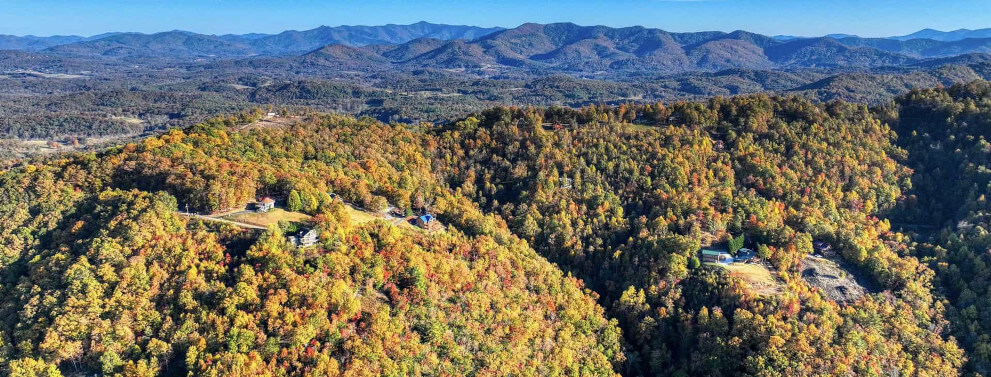
SELLER GUIDE | NORTH GEORGIA MOUNTAINS | 2026
A complete, plain-language guide to Georgia’s seller disclosure requirements for mountain homes and cabins in Blue Ridge, Ellijay, Blairsville, Hiawassee, and across Fannin, Gilmer, Union, and Towns counties — including the mountain-specific issues that catch buyers off guard every time.
By Chad | The Mountain Life Team | themountainlifeteam.com | April 2026
IMPORTANT LEGAL NOTICE: This guide is for general educational purposes only and does not constitute legal advice. Georgia real estate disclosure requirements are subject to change. Always consult a licensed Georgia real estate attorney for guidance specific to your transaction.
 Of all the things that go wrong in North Georgia mountain real estate transactions, a surprising number trace back to one root cause: the seller didn’t disclose something the buyer needed to know. Sometimes it was intentional concealment. More often it was a genuine misunderstanding of what Georgia law requires — or a seller who thought a problem was too minor to mention, or who assumed the buyer’s inspector would find it anyway.
In mountain real estate specifically, the disclosure landscape is more complex than in suburban transactions. Private wells, septic systems, road maintenance agreements, short-term rental history, HOA restrictions, and the unique physical characteristics of mountain properties all create disclosure obligations and buyer expectations that don’t exist in a typical Atlanta subdivision sale.
This guide gives sellers in Blue Ridge, Ellijay, Blairsville, Hiawassee, and across the North Georgia mountains a clear, practical understanding of what they are required to disclose, what they should disclose even when not strictly required, and the mountain-specific issues that consistently surprise buyers — sometimes derailing transactions that could have closed smoothly with proper upfront disclosure.
“The sellers who close fastest and with the fewest surprises are almost always the ones who disclosed the most upfront. Transparency builds trust. Trust closes deals.”
Georgia’s Seller Disclosure Framework: What the Law Requires
Georgia operates under a “caveat emptor” — buyer beware — framework for real estate transactions, which means Georgia does not require sellers to complete a standardized property disclosure form in the same way many other states do. However, this does not mean sellers can hide known defects. Georgia law creates significant disclosure obligations through several mechanisms:
The Duty to Disclose Known Material Defects
Georgia courts have consistently held that sellers have a legal duty to disclose known material defects that would not be discoverable through a reasonable buyer inspection. A “material defect” is generally defined as any condition that would affect a reasonable buyer’s decision to purchase the property or the price they would pay. This is a broad standard — and sellers who convince themselves that a known problem is “not material” are taking a significant legal risk.
The key word is “known.” Georgia does not require sellers to conduct independent investigations to discover defects they are unaware of. But once a seller is aware of a material defect — through personal observation, a prior inspection report, a repair history, or any other means — they have a duty to disclose it.
What “As-Is” Sales Mean for Disclosure
A common misconception among North Georgia mountain sellers is that listing a property “as-is” eliminates their disclosure obligations. It does not. An As-Is addendum under the Georgia Association of Realtors contract limits the seller’s obligation to make repairs — it does not limit the seller’s duty to disclose known material defects. A seller who lists as-is and conceals a known structural issue, septic failure, or water intrusion problem is not protected by the As-Is designation. The duty to disclose what you know remains fully intact regardless of how the property is listed. If you are considering an as-is sale, discuss your specific disclosure obligations with your listing agent and a Georgia real estate attorney before your property goes live.
The Georgia Seller’s Property Disclosure Statement
While not legally mandated, the Georgia Seller’s Property Disclosure Statement is widely used in transactions across the state and is considered best practice by the Georgia Association of Realtors. This comprehensive form covers the full range of property conditions and systems and provides sellers with a structured framework for disclosure. Completing it thoroughly and honestly is one of the most important things a North Georgia mountain seller can do to protect themselves legally and facilitate a smooth transaction. Timing matters here, too — if you're planning ahead, understanding the best time to complete your disclosure review before listing can help you align your paperwork with the strongest selling window in the North Georgia mountains.
Importantly, a completed disclosure statement creates a documented record of what the seller knew and disclosed at the time of listing. That record protects sellers from post-closing claims by buyers who allege they were not informed of a condition.
Federal Disclosure Requirements
Regardless of state law, federal law requires sellers of homes built before 1978 to disclose known lead-based paint hazards and provide buyers with an EPA-approved lead paint information pamphlet. Many mountain cabins and older homes in Fannin, Gilmer, Union, and Towns counties fall within this age range. Failure to comply with federal lead paint disclosure requirements carries significant penalties.
Mountain-Specific Disclosures: What’s Different About Selling in North Georgia
The disclosure landscape for North Georgia mountain properties includes several categories that simply don’t come up in a suburban sale. These are the areas where sellers most commonly either underestimate their obligations or genuinely don’t realize the information is relevant to buyers.
Well and Septic Systems
This is the single most important mountain-specific disclosure category, and the one that generates the most transaction friction when not handled proactively. A significant majority of cabins and rural mountain homes in Fannin, Gilmer, Union, and Towns counties rely on private wells for water and septic systems for waste. Buyers who are purchasing their first mountain property are often unfamiliar with these systems and have real, legitimate concerns about their condition, capacity, and ongoing maintenance requirements.
What sellers are expected to disclose about wells and septic systems:
- Well water source type: Drilled well, dug well, spring, or shared well. If shared, the sharing agreement and how costs are allocated.
- Known well issues: Low yield, water quality problems (iron, sulfur, bacteria), required treatment systems, and any history of pump failures or significant repairs.
- Most recent water quality test results: Buyers will almost always request a water quality test as part of their due diligence. Having recent test results available is a strong signal of a well-maintained system and removes a major source of buyer anxiety.
- Septic system type, age, and last pump date: Conventional septic, alternative systems, drain field location, and the date of the last pump. Septic systems that haven’t been pumped in years are a significant inspection flag.
- Any known septic failures or system modifications: A septic system that has failed and been repaired, upgraded, or replaced must be disclosed. A buyer who discovers this post-closing and was not informed has strong grounds for a claim.
“Pre-listing well water tests and septic inspections are one of the best investments a North Georgia mountain seller can make. They remove uncertainty for buyers, reduce inspection contingency risk, and signal a seller who has nothing to hide.”
Private Road and Access Disclosures
Many North Georgia mountain properties are accessed via private roads rather than county-maintained public roads. Private roads create disclosure obligations that sellers often overlook:
- Road maintenance agreements: If your property is on a private road shared with neighbors, there should be a recorded road maintenance agreement specifying how costs are shared and who is responsible for maintenance. If no formal agreement exists, that fact itself should be disclosed.
- Road condition and seasonal access issues: Mountain roads that become difficult or impassable in winter ice conditions, that have significant grade or drainage challenges, or that require specific vehicles are material facts that buyers need to know.
- Easements: Access easements, utility easements, and any other recorded easements affecting the property must be disclosed. A title search will surface these, but the seller should be prepared to explain them.
HOA Rules and Short-Term Rental Restrictions
If your North Georgia mountain property is within a homeowners association — as many gated mountain communities are — full disclosure of HOA rules, fees, and restrictions is both legally required and practically essential. The disclosure that surprises buyers most often in this category is STR restrictions.
Some North Georgia mountain communities have rules that prohibit or significantly limit short-term rentals. A buyer who purchases a cabin specifically to operate as an Airbnb, without knowing those restrictions exist, faces a serious problem post-closing. This is one of the most common sources of post-closing disputes in mountain real estate transactions, and it is entirely preventable with upfront disclosure.
Sellers in HOA communities should disclose: monthly or annual dues, any pending special assessments, current reserve fund status, the complete CC&Rs, and any specific rules affecting the property’s use — including STR restrictions.
Short-Term Rental History and Compliance
If your cabin has operated as an Airbnb or VRBO, buyers — particularly investment buyers — will want complete information about the property’s rental history, compliance status, and any platform policy issues. Proactive disclosure of rental income history, accommodation tax registration and remittance records, and any past platform issues is both a legal best practice and a practical strategy for attracting and retaining the most motivated investment buyers.
Sellers who voluntarily provide clean, well-documented rental history create buyer confidence and dramatically reduce the due diligence friction that can slow or kill STR property transactions.
Environmental and Geographic Disclosures
The North Georgia mountains present geographic and environmental characteristics that create disclosure obligations unique to this market:
- Flood zones: Properties near rivers, streams, or low-lying areas may be in FEMA-designated flood zones. Flood zone status affects insurance requirements and costs significantly. Sellers must disclose known flood zone designation, and buyers should verify independently through FEMA’s flood map service.
- Landslide and erosion history: Steep mountain terrain creates landslide and erosion risk that does not exist in flat suburban settings. Any known slope instability, erosion issues, retaining wall failures, or landslide history on or near the property must be disclosed.
- Underground storage tanks: Older mountain properties occasionally have buried propane or fuel tanks. Known underground storage tanks must be disclosed.
- Pest and wildlife damage: Mountain properties are susceptible to wood-boring insects, carpenter ants, and wildlife intrusion in ways that suburban properties are not. Known termite history, active infestations, or structural damage from pests must be disclosed.
- Asbestos-containing materials: Many North Georgia mountain cabins and homes built before 1980 may contain asbestos in insulation, floor tiles, roof shingles, or pipe wrap. While intact, undisturbed asbestos is not an immediate health hazard, its presence is a material fact that affects buyer decisions, renovation plans, and insurance. Known asbestos-containing materials must be disclosed.
What Surprises Buyers Most in North Georgia Mountain Transactions
After working with buyers and sellers across Blue Ridge, Ellijay, Blairsville, and Hiawassee, here are the disclosure-related issues that most consistently surprise buyers — and most commonly trigger post-inspection renegotiation or deal cancellation when not disclosed upfront:
- Aging or failing septic systems: Buyers who have never owned a property with a septic system are often genuinely unprepared for the reality of a 25-year-old septic system that needs replacement. A system that the seller has lived with for years and considered functional may fail a pre-closing inspection and become a $10,000 to $30,000 negotiating issue. Pre-listing septic inspections eliminate this surprise for everyone. Inspection surprises like these are also one of the top reasons properties sit longer than they should — for a data-backed look at how disclosure issues can extend your time on market in North Georgia, see our complete selling timeline guide.
- Well water quality issues: High iron, sulfur odor, bacteria, or other water quality issues that the seller has long since filtered or adapted to are consistently shocking to buyers who test the water during due diligence. These issues are not necessarily deal-killers, but undisclosed water quality problems are among the most common sources of buyer distrust and renegotiation.
- STR restrictions in HOA communities: Investment buyers who discover post-offer that their intended Airbnb cabin is in a community that prohibits short-term rentals are invariably angry — and they have legal grounds to be. This is the disclosure failure with the highest consequence for sellers.
- Non-permitted improvements: Additions, outbuildings, and improvements constructed without permits are common in rural mountain properties. Buyers discover these through title searches, appraiser flagging, or the seller’s disclosure statement. Unpermitted improvements can complicate financing, insurance, and the buyer’s future ability to sell. Sellers should identify all non-permitted improvements and be prepared to address them. If you're considering updates before listing, make sure you know which pre-listing improvements require updated disclosures — getting the permits and paperwork right upfront protects your sale and your net proceeds.
- Private road maintenance obligations: Buyers who assume their driveway or access road is county-maintained are surprised to discover they share responsibility for a half-mile of private road with three neighbors and no formal maintenance agreement. Clear upfront disclosure of road ownership, condition, and any existing maintenance agreements prevents this common source of post-closing friction.
- Seasonal accessibility limitations: Mountain driveways and roads that become genuinely difficult or impassable during winter ice events are a significant quality-of-life issue for full-time residents and a management challenge for STR operators. Sellers who live in the mountains full-time have often adapted to these conditions without thinking of them as disclosable — but they absolutely are.
- Wildlife and pest damage history: Prior termite treatment, evidence of carpenter ant activity, squirrel or raccoon intrusion in attic spaces, and similar pest issues are consistently flagged in mountain property inspections. Sellers who disclose these upfront — along with the remediation they undertook — convert a potential inspection surprise into a credibility-building transparency.
Why Proactive Disclosure Is Your Best Protection
There is a counterintuitive truth about seller disclosure that experienced real estate professionals understand: the sellers who disclose the most tend to have the smoothest transactions and the fewest post-closing disputes. Here is why:
- It eliminates the inspection surprise dynamic: When a buyer’s inspector discovers an issue that the seller already disclosed, it confirms the seller’s transparency and builds trust. When the inspector discovers an undisclosed issue, it raises the question of what else might be hidden — and often triggers demands for price reductions far larger than the cost of the issue itself.
- It pre-qualifies buyers for your property’s actual condition: A buyer who accepts your property with full knowledge of its well age, septic condition, and road maintenance situation is a buyer who is unlikely to use those issues as post-inspection negotiating leverage. They bought with open eyes.
- It creates legal protection: A documented, comprehensive disclosure statement is your best defense against post-closing claims. If a buyer alleges they were not informed of a condition and you have a signed disclosure statement proving otherwise, your position is dramatically stronger.
- It attracts the right buyers: Buyers who are scared off by honest disclosure of a property’s challenges were never going to be good buyers for your property. The right buyer — one who understands mountain property ownership and is making an informed decision — will respect the transparency and move forward with confidence.
North Georgia Mountain Seller Disclosure Checklist
Use the checklist below as a starting framework for your disclosure preparation. Work through each category with your listing agent and real estate attorney to ensure your disclosure is complete and accurate before your listing goes live.
| Disclosure Item | Status |
| STRUCTURAL & SYSTEMS |
|
| Roof age and known condition issues | Required |
| HVAC system age and service history | Required |
| Known foundation or structural issues | Required |
| Plumbing leaks, past or present | Required |
| Electrical system issues or non-permitted work | Required |
| Water intrusion or moisture issues | Required |
|
|
|
| WELL & SEPTIC (Mountain-Specific) |
|
| Well water source, age, and last test results | Required |
| Septic system type, age, and pump history | Required |
| Known septic issues or failures | Required |
| Shared well or septic agreements | Required |
|
|
|
| PROPERTY & LAND |
|
| Known boundary disputes or encroachments | Required |
| Easements affecting the property | Required |
| Road maintenance agreements (private roads) | Required |
| Flood zone status | Required |
| Landslide or erosion history | Required |
| Environmental contamination | Required |
| Asbestos-containing materials (pre-1980 properties) | Required |
|
|
|
| HOA & COMMUNITY |
|
| HOA existence, fees, and rules | Required |
| Pending HOA assessments | Required |
| STR restrictions within HOA or community | Strongly Recommended |
|
|
|
| LEGAL & FINANCIAL |
|
| Pending litigation involving the property | Required |
| Liens or encumbrances | Required |
| Permit history for improvements | Required |
| Lead paint (pre-1978 homes) | Federally Required |
|
|
|
| STR / RENTAL HISTORY (Best Practice) |
|
| Airbnb / VRBO rental income history | Strongly Recommended |
| Accommodation tax compliance documentation | Strongly Recommended |
| Platform ratings and review history | Strongly Recommended |
This checklist is a general reference guide only and does not constitute legal advice. Consult a licensed Georgia real estate attorney for transaction-specific disclosure guidance.
Sellers preparing to list a mountain home or cabin in North Georgia ask us the same questions again and again — and understandably so. Disclosure in a mountain market is genuinely more complex than in a suburban sale, and the stakes are real. Below are the questions we hear most, answered plainly.
Frequently Asked Questions
Common questions sellers ask about: What Sellers Must Disclose in North Georgia Mountains
Q1: What are sellers required to disclose when selling a home in Georgia?
Georgia is a caveat emptor — buyer beware — state, which means sellers are not legally required to complete a standardized disclosure form. However, Georgia law does require sellers to disclose known material defects that a buyer could not reasonably discover through their own inspection. Known issues with structural systems, roof, HVAC, plumbing, electrical, water intrusion, pests, well and septic condition, road maintenance obligations, HOA restrictions, and lead-based paint in pre-1978 homes must all be disclosed if the seller is aware of them. While not legally mandated, the Georgia Seller’s Property Disclosure Statement is considered best practice by the Georgia Association of Realtors and is strongly recommended.
Q2: What happens if I fail to disclose a known defect when selling my North Georgia mountain home?
Failure to disclose a known material defect can expose you to significant legal liability after closing, including buyer claims for repair costs, diminished value, or in egregious cases, contract rescission. Georgia courts have found sellers liable for non-disclosure even when sellers claimed ignorance — 'I didn't know' is not a complete defense if a defect was reasonably discoverable. Full disclosure is always the better legal and ethical path. Beyond the legal exposure, undisclosed defects directly erode your sale price. For a breakdown of what known defects can do to your mountain cabin's appraised value — and how accurate pricing protects your bottom line — see our valuation guide.
Q3: Do I have to disclose septic system issues when selling a cabin in North Georgia?
Yes. Septic system condition is a material disclosure item in Georgia. Known failures, recent pumping history, system age, drain field condition, and any county notices or violations must be disclosed. Buyers will typically conduct a septic inspection as part of due diligence — undisclosed issues discovered post-closing create legal exposure for sellers.
Q4: Are there additional disclosures required for short-term rental cabins in North Georgia?
Yes — sellers of STR properties should disclose any active or pending local ordinances restricting short-term rentals, HOA rules affecting rental activity, existing booking platforms and transfer procedures, and any known booking-platform policy issues. Misrepresenting a property's STR eligibility or income potential is a material disclosure risk.
Q5: Does Georgia require sellers to disclose if someone died in the home?
Georgia does not require sellers to proactively disclose a death that occurred on the property unless the buyer specifically asks. However, if a buyer asks directly, a truthful answer is legally and ethically required. Some sellers choose to disclose voluntarily to avoid issues arising after closing. Consult a real estate attorney if you have concerns about your specific situation.
Q6: If I sell my North Georgia cabin as-is, do I still have to disclose known defects?
Yes. An as-is designation under the Georgia GAR contract limits the seller’s obligation to make repairs — it does not eliminate the duty to disclose known material defects. A seller who lists as-is and conceals a known structural issue, septic failure, water intrusion problem, or other material condition remains fully legally exposed to post-closing claims. The disclosure obligation is tied to what you know, not to how the property is listed. If you are considering an as-is sale, discuss your disclosure obligations in full with your listing agent and a licensed Georgia real estate attorney before going live.
Questions About What You Need to Disclose? Let’s Talk.
Navigating seller disclosure for a North Georgia mountain property is one of the areas where having an experienced local listing agent genuinely matters. I’ve guided sellers through hundreds of mountain property transactions across Blue Ridge, Ellijay, Blairsville, and Hiawassee — and I know where the disclosure landmines are, which issues to address proactively, and how to present your property’s honest condition in a way that builds buyer confidence rather than creating alarm.
I’m Chad with The Mountain Life Team. If you’re preparing to sell a North Georgia mountain home or cabin and want guidance on how to approach your disclosure — or if you’re just beginning to think about listing and want to understand the full process — I’d love to have that conversation with you.
Visit themountainlifeteam.com to get in touch. Let’s make sure your sale is built on a foundation of transparency, preparation, and the local expertise that North Georgia mountain real estate deserves.
The Mountain Life Team – North Georgia Mountain Real Estate Specialists
This post is part of The Mountain Life Team’s 10-part seller guide series for North Georgia mountain real estate. Visit themountainlifeteam.com for the complete series.

.png)

Footer Social Links